

The vietnam entry requirements us citizens must meet generally include a valid passport and a visa for a standard mainland visit. Americans can apply for an e-visa online, valid for up to 90 days, with single or multiple entry.
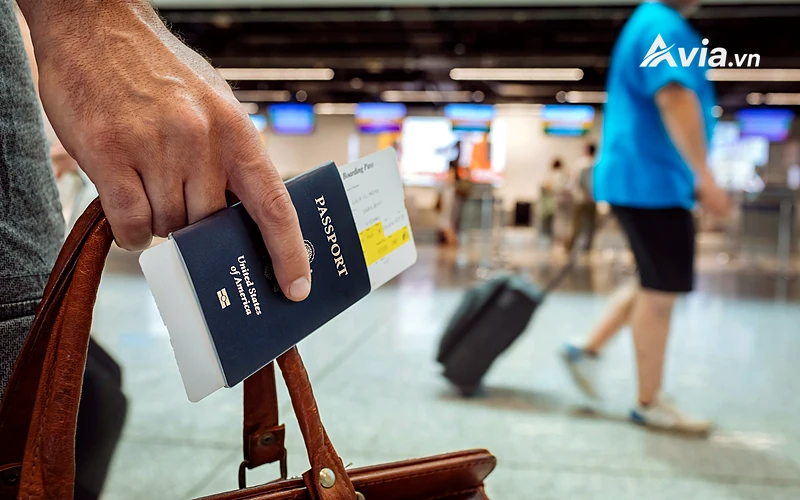
Key takeaways
- Most US passport holders need a visa for mainland Vietnam. Qualifying Phu Quoc-only visits are an exception.
- Prepare a passport with six months of validity after arrival, two blank pages and a printed e-visa.
- Apply through an official government portal at evisa.gov.vn well before departure. The statutory processing period does not guarantee approval.
- Complete the free pre-arrival declaration before traveling.
- Once your documents are ready, check airport assistance pricing through AVIA’s booking form.
Do U.S. citizens need a visa for Vietnam?
Yes, for a standard mainland tourist trip. Your itinerary, passport and purpose determine whether an exemption or a different application procedure applies.
| Your situation | What to do |
|---|---|
| Standard tourism, arriving by air or land | Obtain a suitable visa before departure. US passport holders are eligible to apply for an e-visa. |
| Leaving Vietnam and returning during the trip | Choose entry rights covering every arrival. A single-entry visa cannot be reused after departure. |
| Visiting Phu Quoc only | Qualifying island-only visits are visa-free for up to 30 days. If arriving through another Vietnamese international border gate, you must remain in its transit area before continuing to the island. An ordinary domestic connection does not automatically qualify. |
| Vietnamese heritage or a visa exemption certificate | Confirm that the certificate has been issued and remains valid. Eligibility alone does not provide entry permission. |
| Dual nationality | Check the requirements for the passport you will present to Vietnamese immigration. |
| Work or study | Follow the procedure appropriate to your purpose. An e-visa is not a work permit. |
| Connecting to a domestic flight | If you must clear immigration, you need valid entry permission unless an applicable exemption covers your itinerary. |
The island exemption and routing conditions are established in Decision 80/2013/QD-TTg.
👉 Read our Phu Quoc airport guide
Passport and documents to check before you fly
The vietnam entry requirements us citizens should check before departure
✔ Passport: allow at least six months of validity after arrival and two blank pages. Vietnamese law also requires the visa to expire at least 30 days before the passport expires.
✔ Application details: your name, passport number and other identifying information must match your passport. Prepare a portrait photograph and passport data-page image that meet the application portal’s requirements.
✔ Travel dates: your actual arrival date in Vietnam local time must fall within the issued visa’s validity. Account for overnight flights and delays that cross midnight.
✔ Copies: carry a printed e-visa and save an offline copy on your phone.
✔ Passport consistency: use the same passport for entry and exit.
The US Department of State’s Vietnam travel guidance provides passport and document advice for American travelers.
How to apply for a Vietnam e-visa
Official guidance
The application steps
For a direct application, use evisa.gov.vn or thithucdientu.gov.vn. Both are official government domains.
- Enter your personal, passport and trip information.
- Upload the required images.
- Review the application carefully before submitting it.
- Save your application code and complete payment.
- Track the result and download the e-visa when approved.
Timing
The statutory period for processing and responding is three working days after receipt of complete information and payment. This is not a guarantee of approval. Corrections or further review can delay the result, so apply well ahead of departure, preferably before committing to non-refundable bookings.
If something is wrong or delayed
Track your application using its code and follow any instructions requesting corrections. If an issued e-visa contains incorrect personal or passport details, seek guidance through the official portal before traveling. Do not assume the discrepancy can be corrected at the airport.
Government fee
The standard government application fee is US$25 for single entry or US$50 for multiple entry. Check the applicable amount for children under 14 before paying, as a separate provision applies. The government fee is non-refundable if the application is refused. Private agencies may add a service charge.
Entry points
E-visas are accepted only at approved international border gates. Check both the original approved border gates under Resolution 127/NQ-CP and the additional approved border gates under Resolution 389/NQ-CP.
The additional list supplements the original list. An airport’s absence from the later announcement does not mean it is ineligible. Newly listed airports qualify only once they are operating.
Pre-arrival declaration and what happens at the airport
Complete the free pre-arrival information declaration through the official pre-arrival portal. The Vietnamese Embassy’s notice strongly encourages foreign travelers to submit it within three days before arrival, or upon arrival, and names Noi Bai, Tan Son Nhat, Da Nang, Cam Ranh and Phu Quoc airports.
Save the confirmation or personal QR code on your phone, or print it for presentation. The declaration does not replace a visa.
After landing, follow the signs to passport control, collect checked baggage, complete any applicable customs procedures, and proceed to the arrivals exit. Waiting times vary, so leave flexibility in your onward arrangements.
AVIA Arrival Fast Track provides assistance with the arrival steps included in your booking. Immigration assistance covers priority passport control; the full package also includes baggage collection and assistance to the exit and transfer areas. The service cannot guarantee admission or replace valid entry documents.
👉 View Arrival Fast Track options in Vietnam
Planning your arrival
After a long-haul flight: keep your hotel address, accommodation confirmation and driver’s contact details accessible offline. Carry anything you may need before baggage collection in your cabin bag.
Families and groups: review each traveler’s documents individually, including children’s. Assign someone to carry backup copies and agree where to meet if separated.
Late-night arrivals: confirm your destination, vehicle capacity, luggage needs and pickup instructions before flying. A private transfer helps you arrange the journey from the airport to your accommodation in advance.
👉 Read about Vietnam airport transfers
Connecting flights: ask your airline whether bags are checked through, whether collection is necessary, and whether your ticket requires a terminal change. AVIA offers connecting assistance at Noi Bai and Tan Son Nhat for travelers who need guidance between flights.
👉 Explore Connecting Fast Track assistance
Mobile data: a Vietnam eSIM can help you access maps and contact your driver after landing. Check device compatibility before buying, then follow the installation and activation instructions sent by email.
👉 Read our Vietnam travel eSIM guide
Frequently Asked Questions
Yes, for a standard mainland visit. Exceptions include qualifying Phu Quoc-only trips and travelers holding a valid visa exemption certificate.
The statutory processing-and-response period is three working days after complete information and payment are received. Apply early to allow for corrections or further review.
Qualifying island-only visits are visa-free for up to 30 days. If arriving through another Vietnamese international border gate, check the transit-area conditions before relying on the exemption.
Use evisa.gov.vn or thithucdientu.gov.vn for a direct government application.
Follow the official portal’s guidance before traveling. Do not rely on having the discrepancy corrected at the airport.
You need valid entry permission if you must pass through immigration, unless a specific exemption applies. Confirm your routing and baggage arrangements with your airline.


